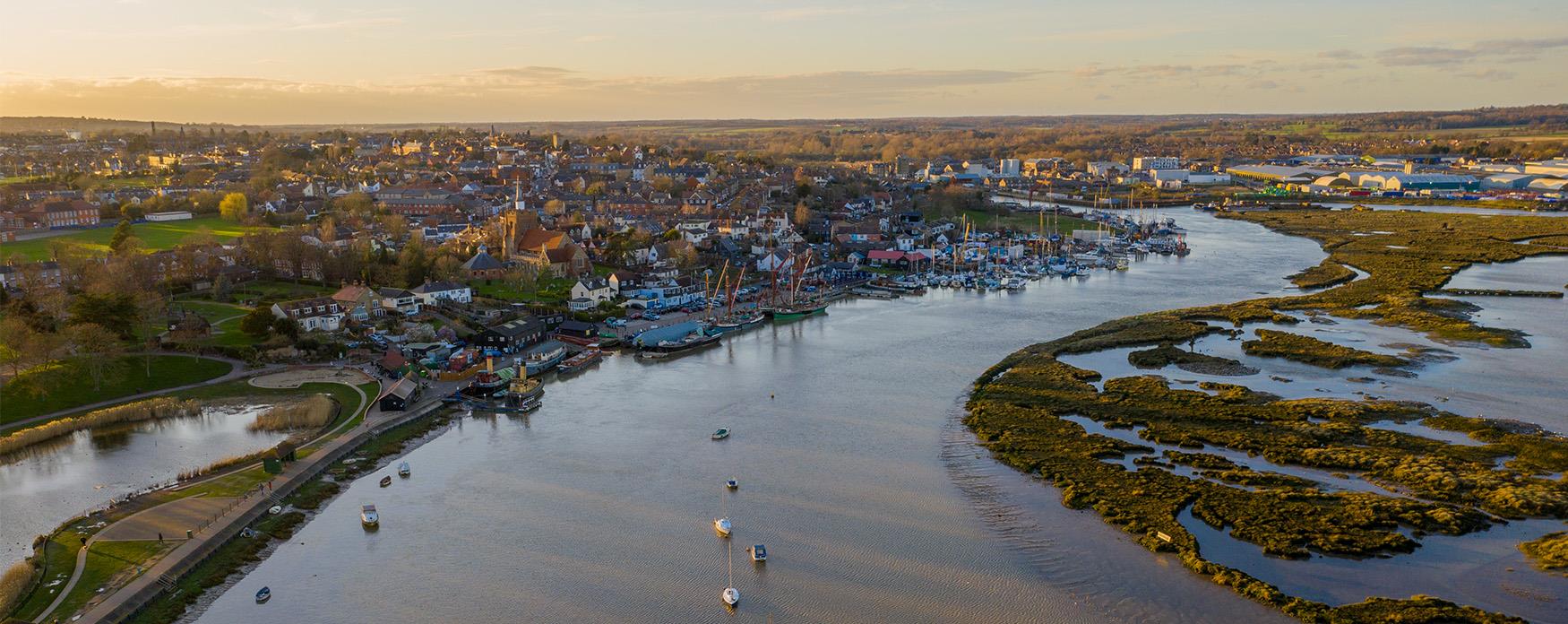
Maldon is a town shaped by water. Its history, economy, and identity are inseparable from its position on the Blackwater Estuary, a broad tidal inlet whose shallow, sheltered waters have supported trade, industry, and conflict for more than a thousand years.
This relationship with the estuary explains why Maldon became both prosperous and vulnerable, renowned for salt production and remembered for one of the defining battles of early English history.
Salt and the Making of Maldon
Salt production is the earliest known industry in Maldon and the foundation of its prosperity. Archaeological evidence indicates that salt production took place on the Blackwater Estuary from the Late Iron Age to the Roman period. By the time of the Domesday Book in 1086, 45 salt pans were recorded in Maldon. The Blackwater Estuary provides shallow, sheltered waters with predictable tides, conditions that are ideal for traditional sea salt production.
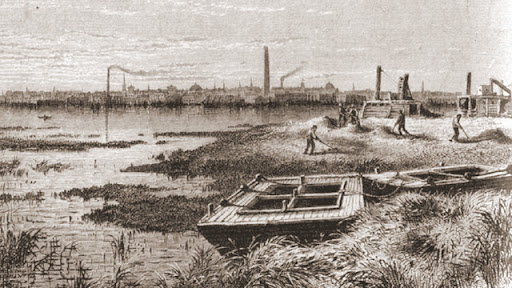
Salt is not collected directly from the estuary mud. Instead, seawater is drawn inland and concentrated into brine before being gently heated. This slow, controlled evaporation allows sodium chloride crystals to form naturally at the surface. Under stable conditions, these crystals grow outward and upward, forming thin, hollow pyramid shaped flakes.
The shape is not engineered. It occurs because salt crystals form in a cubic lattice and spread evenly when undisturbed. This process produces Maldon salt’s distinctive light texture, clean taste, and lack of bitterness, qualities that have made it internationally prized as a finishing salt rather than a basic seasoning.
For centuries, salt brought trade, employment, and strategic importance to Maldon. It also ensured that the town remained connected to the wider world through maritime routes.

The Estuary as Gateway and Threat
Maldon’s success carried risk. The same tidal waterways that allowed barges and merchant vessels to reach the town also allowed hostile ships to travel inland. In early medieval England, coastal and estuarine settlements were particularly exposed to Viking raids.
By the late 10th century, England was ruled by Anglo-Saxon kingdoms, descended from settlers who migrated from northern Germany and southern Denmark after the Roman withdrawal in the early 5th century. They controlled land, agriculture, and trade, but relied heavily on rivers and estuaries for movement and supply.
Viking raiders from Scandinavia understood these waterways well. Their shallow draft ships could exploit tidal routes like the Blackwater, bringing them directly to towns such as Maldon.
The Battle of Maldon, 991 AD
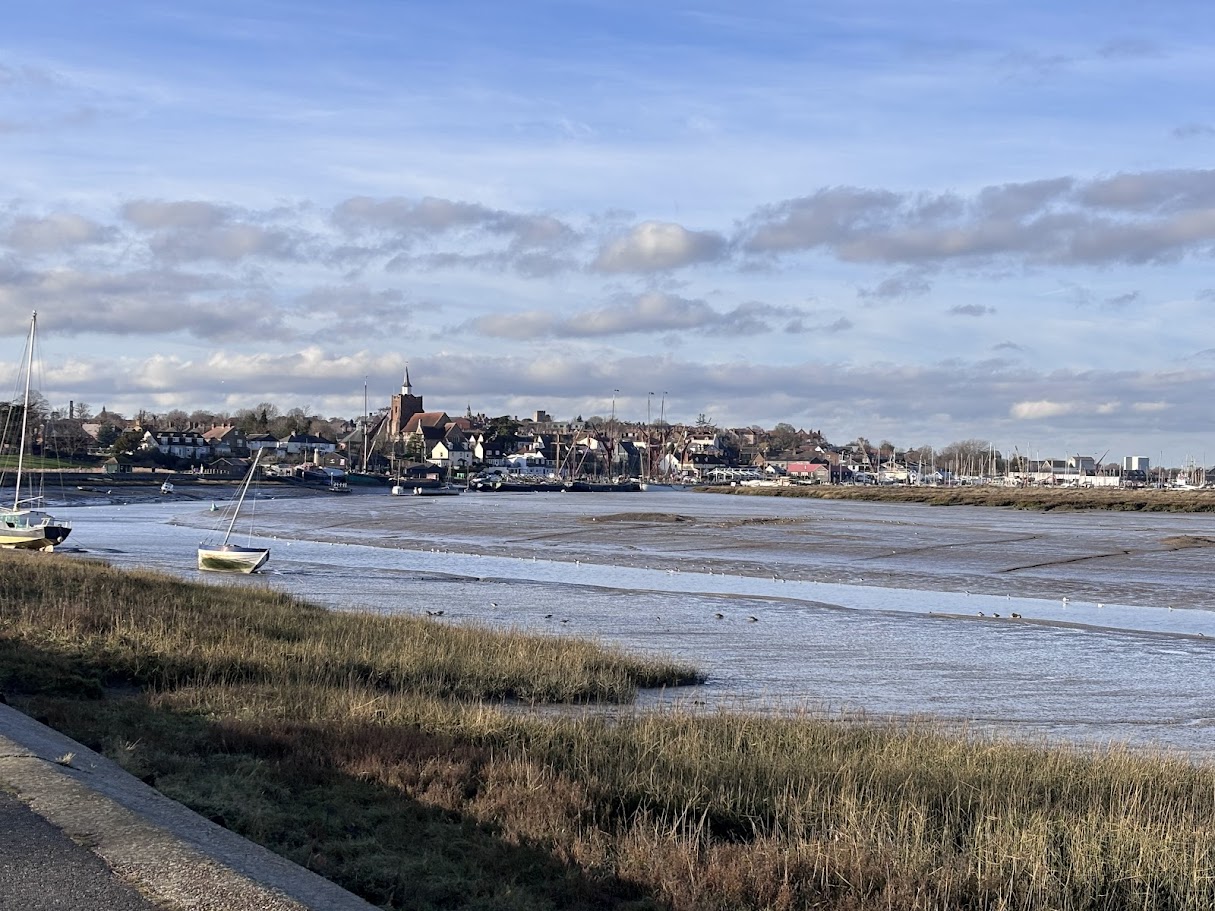
In 991 AD, one of the most significant conflicts of early English history took place. Viking forces sailed up the Blackwater Estuary and landed on Northey Island, a low-lying island connected to the mainland by a narrow tidal causeway. Opposing them was an Anglo-Saxon force led by Byrhtnoth, the ealdorman of Essex, who positioned his army to block the crossing.
According to the contemporary Old English poem The Battle of Maldon, the Vikings were initially held at the causeway, unable to advance in force. Byrhtnoth then permitted them to cross so the battle could be fought on open ground. This act, portrayed in the poem as honourable but tragically flawed, led to Byrhtnoth’s death and the defeat of the Anglo Saxon army.
“We will give you spears for tribute, poisonous points and keen swords. This payment will not profit you.”
Although a military loss, the battle became legendary through the poem’s survival. Rather than celebrating victory, The Battle of Maldon emphasises loyalty, courage, and steadfastness in the face of defeat, values that came to define the event’s lasting significance. It remains one of the most important surviving works of Old English literature.
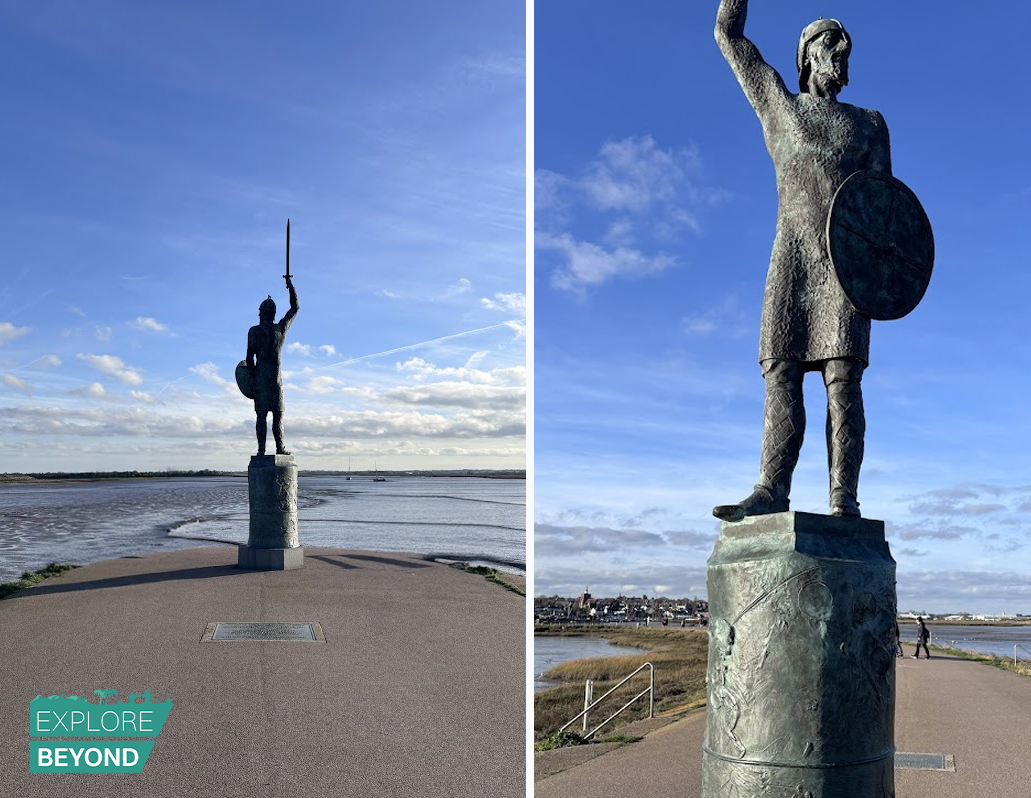
Byrhtnoth is commemorated today by a statue on Maldon Promenade, deliberately positioned to face the estuary where the Viking ships once approached. Overlooking the water, it symbolises both defence and sacrifice, and reflects how closely Maldon’s identity is bound to its landscape and history.
Religious Life and Beeleigh Abbey
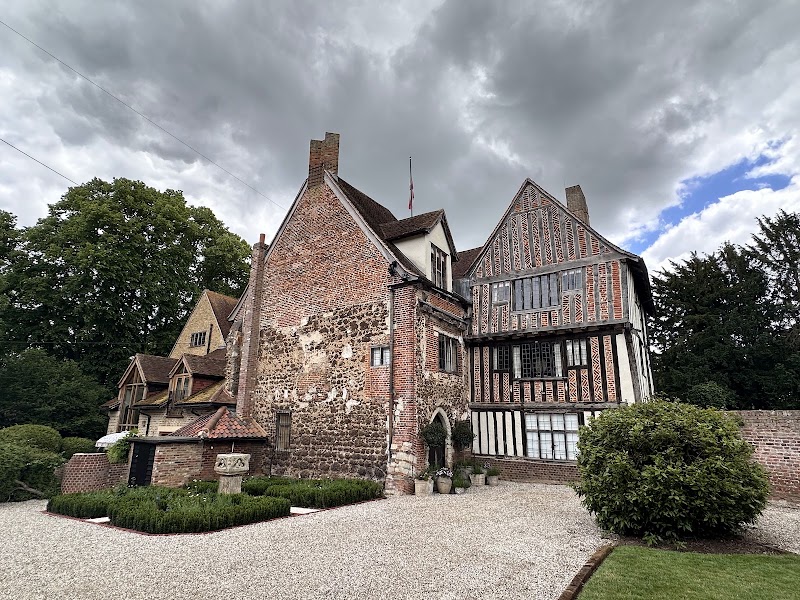
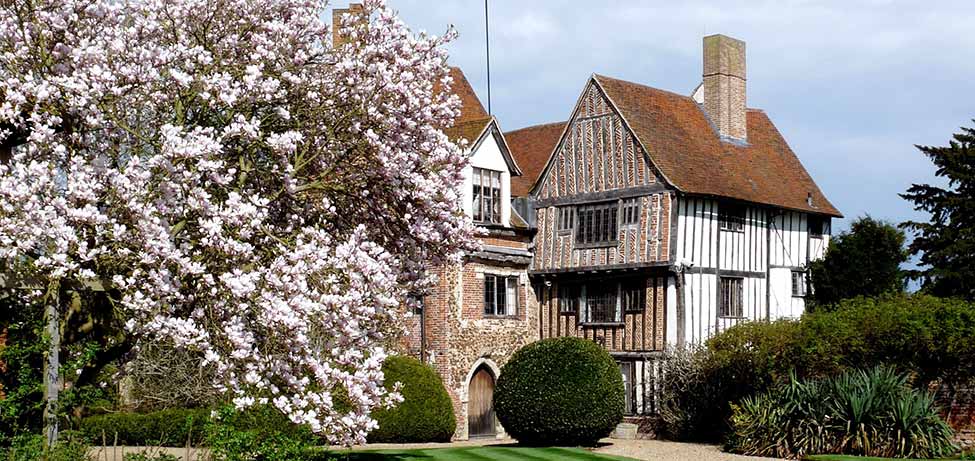
Just outside Maldon stand the ruins of Beeleigh Abbey, a powerful reminder of the town’s importance during the medieval period. Founded in 1180, the abbey was established beside the River Chelmer, continuing Maldon’s long tradition of building around navigable waterways. Long after the Viking age had passed, rivers remained central to movement, trade, and economic control.
Beeleigh Abbey was a Premonstratensian house, part of an order that combined religious observance with active involvement in the surrounding community. Like many medieval abbeys, it was far more than a place of worship. It functioned as a major landholder, employer, and organiser of local resources. The abbey controlled farmland, oversaw tenants, managed mills, and relied on river transport to move goods between inland estates and the coast.
This made Beeleigh Abbey an integral part of Maldon’s medieval economy. Agricultural produce, wool, grain, and other goods could be transported along the Chelmer and into the wider estuarine network, linking the abbey directly to Maldon’s trading routes. Spiritual life, economic activity, and geography were closely intertwined, reflecting a pattern that had existed in the area since Roman and Anglo-Saxon times.
The abbey’s prominence came to an abrupt end in the 16th century during the Dissolution of the Monasteries under Henry VIII. Like many religious houses across England, Beeleigh Abbey was dismantled, its lands redistributed and its buildings partially destroyed or repurposed. What remains today are atmospheric ruins that mark both the power the abbey once held and the dramatic religious and political changes of the Tudor period.
The survival of Beeleigh Abbey’s ruins reinforces a central theme in Maldon’s history: continuity. From salt production and estuarine trade to medieval religion and river based industry, the same landscape has supported successive layers of settlement. The abbey stands not as an isolated relic, but as part of a long, unbroken story shaped by water, land, and strategic location.
Nature, Landscape and Continuity
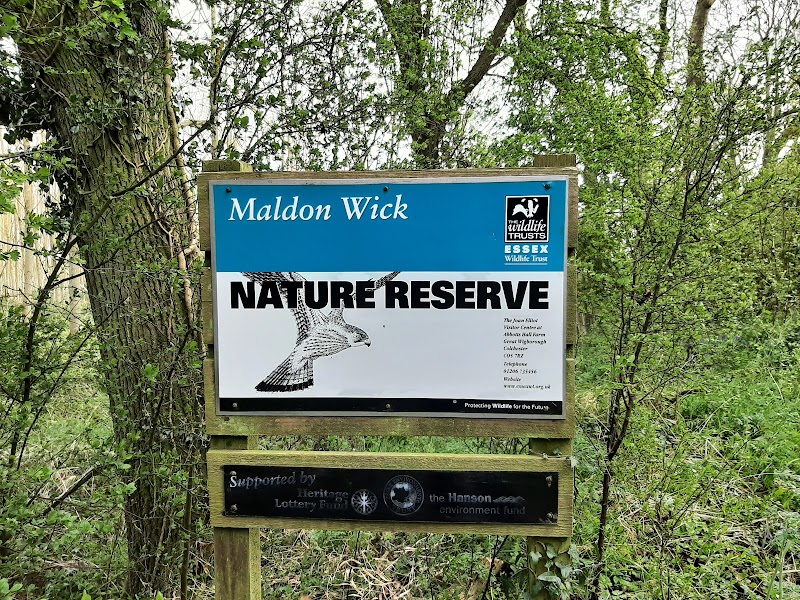
Maldon’s landscape has always shaped how people lived and worked, and that relationship continues today. Maldon Wood Nature Reserve preserves areas of ancient woodland similar to those that once surrounded early settlements. Such woods would have supplied timber, fuel, and grazing, forming a vital part of everyday life alongside farming and salt production.
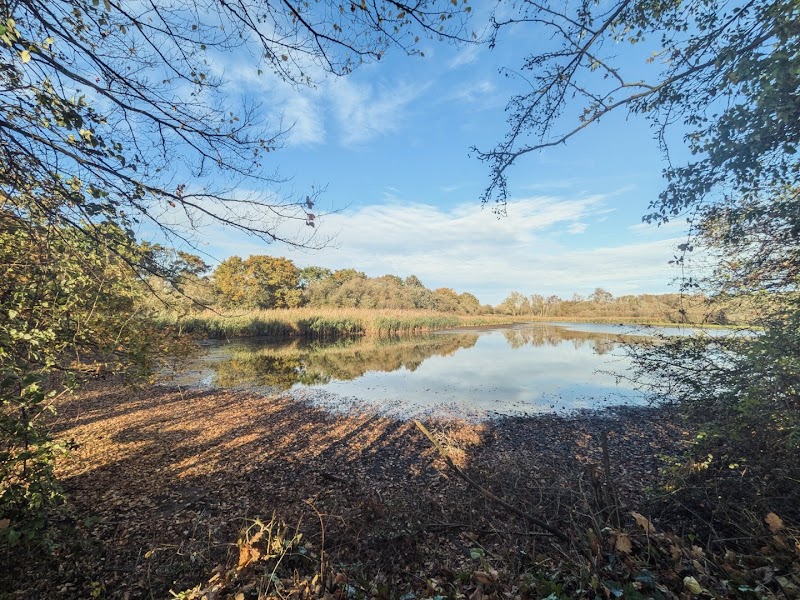
Further south, Chickborough Lakes Nature Reserve occupies former gravel workings that have since been reclaimed by nature. Its lakes and wetlands reflect Maldon’s long history as a working landscape shaped by extraction, trade, and water management. The reserve illustrates how the land has adapted over time, while still retaining the estuarine character that defined Maldon’s early industries.
Defence, Remembrance and the Combined Military Services Museum
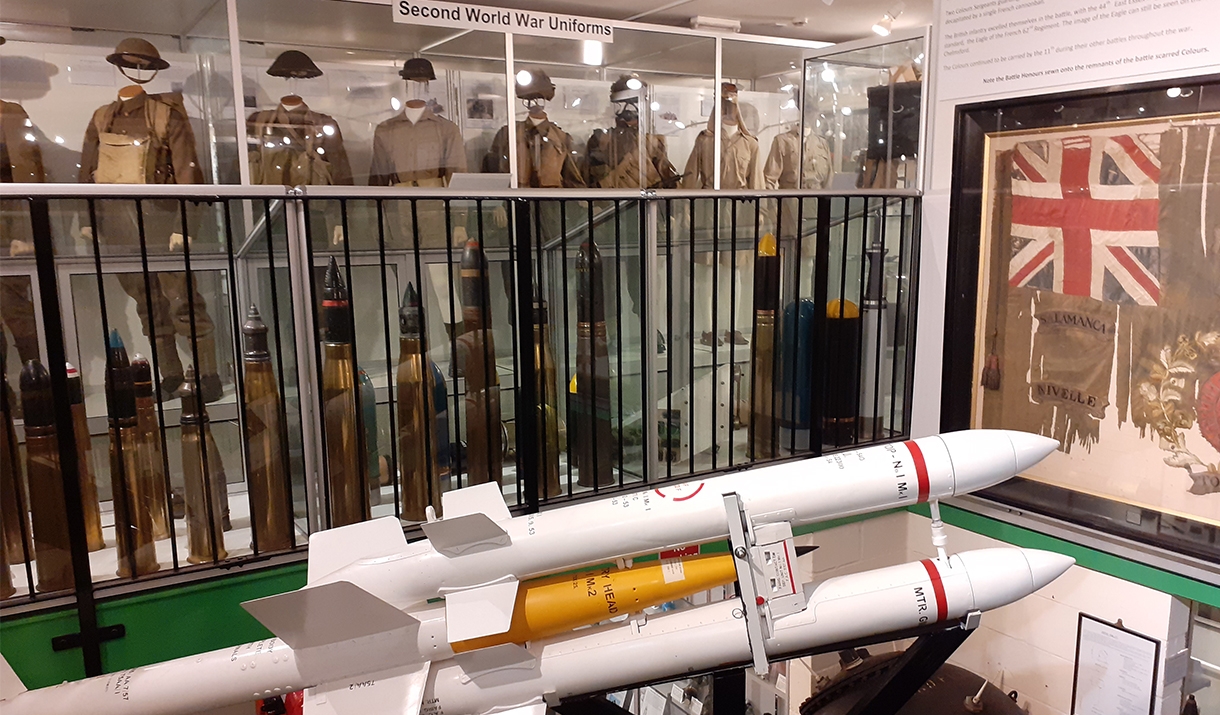
The presence of the Combined Military Services Museum is the result of a long personal commitment to preserving Britain’s military history, rooted in both local landscape and national experience.
The museum was founded by Dr Richard Joseph Wooldridge, whose collection began not as an institution, but as a childhood discovery. In 1968, at the age of seven, he found a discarded military backpack by the roadside. What began as curiosity quickly became a lifelong effort to recover, preserve, and understand military artefacts. Over the following decades, Wooldridge gathered items from family members, friends, fellow collectors, and local discoveries, many of them found in the woods, fields, and coastline around Essex.
As the collection grew, it became clear that this was no longer a private interest. Artefacts recovered included aircraft remains, military equipment, specialist communications devices, and rare items associated with clandestine operations. The collection was eventually reviewed by the government and declared to be of national importance, leading to the establishment of a registered charity in 1996 to secure its long term future.
Maldon was a fitting home for the museum. The town’s history is inseparable from defence and vulnerability, shaped by its estuarine position and exposure to conflict. From the Viking raids of the Anglo Saxon period to later national wars, Maldon represents the point where strategic geography meets lived experience. Housing the museum in a former bonded warehouse on Station Road provided both security and symbolic continuity, transforming a building associated with trade and storage into one dedicated to preservation and memory.
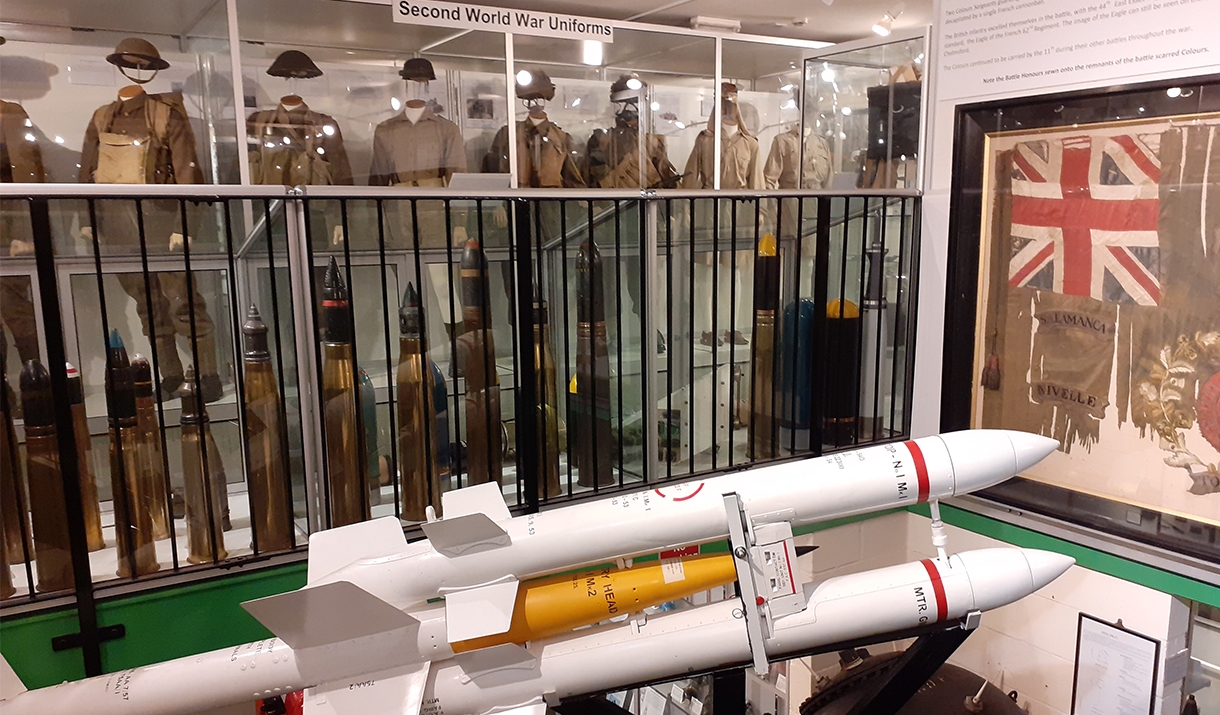
The museum opened to the public in 2004 after more than three decades of planning and development. Inside, its displays span British military service across the Royal Navy, Army, Royal Air Force, and associated units. Uniforms, equipment, and personal artefacts place individual service members at the centre of wider historical events, reinforcing the human cost and personal reality behind national defence.
In this way, the museum complements Maldon’s older military history rather than competing with it. Just as a local engagement at Northey Island became nationally significant through the Battle of Maldon poem, the Combined Military Services Museum shows how individual lives and local discoveries contribute to the preservation of national memory.
The museum stands as a modern expression of a long standing truth about Maldon. Alongside salt production, trade, and religious life, the town has always existed in relation to defence, protection, and sacrifice. From Anglo Saxon warriors holding a tidal causeway to modern service personnel represented within the museum, Maldon’s story reflects more than a thousand years of continuity shaped by geography, conflict, and collective responsibility.
Maldon Today
Today, Maldon remains closely shaped by the same geography that defined its past. Maldon Promenade Park and Hythe Quay now serve as places of leisure and community rather than defence, but their role along the estuary has not fundamentally changed. They still mark the meeting point between land and water, where trade, movement, and protection once determined daily life.
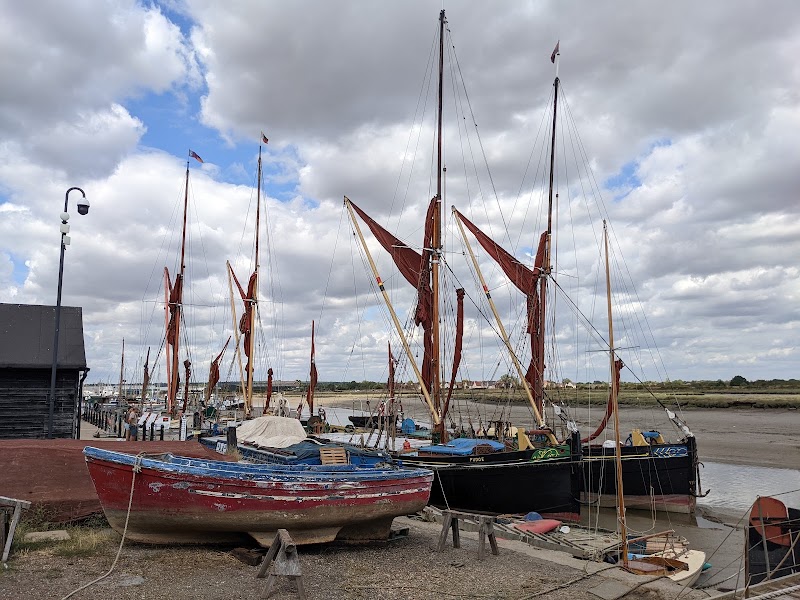
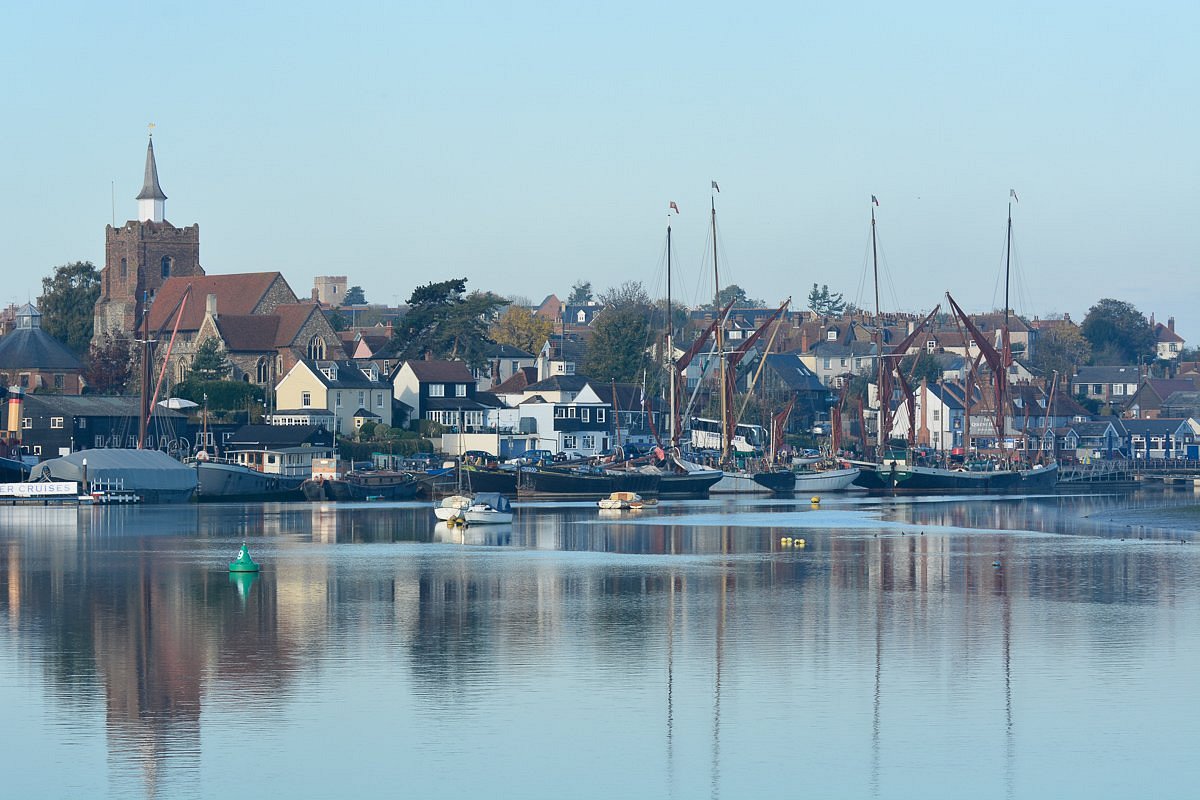
Traditional Thames barges continue to moor along Hythe Quay, maintaining a visible link to Maldon’s commercial and maritime heritage. These vessels are not symbolic additions, but living reminders of a working river town whose prosperity depended on access to tidal routes and coastal trade. The estuary remains active, shaping how Maldon connects to the wider region.
Modern Maldon is a place where historical layers remain visible rather than buried. Roman industry, Anglo-Saxon conflict, medieval religious life, and modern remembrance coexist within a compact landscape. The ruins of Beeleigh Abbey, the statue of Byrhtnoth overlooking the estuary, and the Combined Military Services Museum are not isolated landmarks, but parts of a continuous narrative shaped by water, defence, and movement.
At the same time, Maldon is a living town. Its parks, riverside paths, woodlands, and reclaimed landscapes are actively used by residents and visitors alike. Nature reserves, former industrial sites, and historic spaces now support everyday life, reflecting a shift from survival and defence toward stewardship and continuity.
Maldon is not defined by a single moment, industry, or event. Its identity has been formed through salt making, waterways, invasion, faith, trade, defence, and remembrance, each layered onto the same landscape over centuries. The result is a town where history is not confined to the past, but remains present in the shape of the land, the flow of the rivers, and the way the community continues to engage with its environment.
Is Maldon worth visiting? Yes.
Not because it offers a single landmark or attraction, but because it offers something rarer. Maldon is a place where history is still legible in the landscape. Its estuary, quays, abbey ruins, woodlands, and museums are not staged for effect. They exist because the town developed exactly where geography demanded it should.
A visit to Maldon is not about ticking off sights. It is about understanding how the world worked at a different time, when economy, water, conflict, faith, and memory shaped a community over more than a thousand years, and how those same forces still define the town today.